
Future generations may never have a sweet tooth to feed. John Mason, the executive director and founder of the Ghana based organization Nature Conversation Research Council (NCRC) believes that in 20 years times, chocolate will be much like caviar today.
"[Chocolate] will become so rare and so expensive that the average joe won't be able to afford it."
This fate of chocolate is terrifying news for two parties. The chocoholics of the world, but more importantly the producer countries that depend greatly on the sale of the cocoa beans as a portion of their GDP.
The main cause for the decline in cocoa bean growth is unsustainable farming in Ghana and other nations known for their cocoa plants. Also cocoa is naturally a rainforest plant that grows in shady conditions surrounded by a high biodiversity, until recently. Now, hybrid varieties have been grown on cleared land as mono-cultures and in full sun.
Although this hybrid seeds fills the demand for the short term, the soil quickly becomes degraded and the lifespan of plants can be cut from 75 or 100 years, to 30 or less. When the trees die and the land is exhausted, farmers must move on and clear more rainforest to plant cocoa.
The decline in West African cocoa is not only a problem for farmers and chocolate producers, one of which is Cadbury who uses 100 percent of West African cocoa beans to produce their chocolate, but environmentalists are increasingly concerned about the destruction of the rainforest for short-term gain.
These three groups soon realized they were all fighting the same issue, and with the help from the international environmental charity, Earthwatch, a new program has been implemented to help the cocoa plant. Earthshare combines the efforts of Cadbury and the NCRC with continual support from Earthwatch. Earthshare a scientific research project that aims to explore ways of creating sustainable cocoa farming. Currently it works with 60 farms with negotiations underway to increase the initiative.
Earthshare is addressing two problems faced by cocoa farming. One being the ever degrading unsustainable soil and other habitat issues. Intensively farmed landscapes need a lot of inputs, such as water and chemical fertilizers and their fertility tends to degrade rapidly. So Earthshare has advised another plan where a mixed farming landscape, where other flora can shade the cocoa trees and provide habitats for the birds, mammals, reptiles and invertebrates that both eat pests on the cocoa and help pollinate the crop, not only increases biodiversity, it reduces the need for inputs and retains its fertility.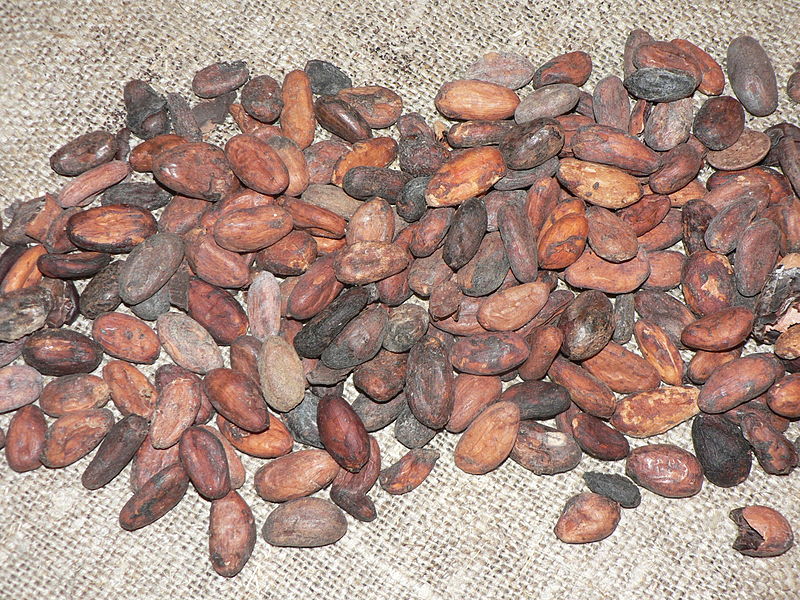
The second issue is the declining number of people wanting to be cocoa farmers. "They're coming at sustainable supply from two angles," says Mark Harper, Program Manager for Earthwatch. "It's not just about increasing yields; it's also about decreasing the number of farmers leaving the business.
"They are focused on making it a more attractive crop by improving the livelihoods of cocoa farmers, whether that's by providing better sanitation, improved access to markets to get a better price for their crop, or helping establish new revenue streams, such as eco tourism."
With these two issues being investigated by all the parties involved in Earthshare, John Mason feels that the cocoa crop can be avoided. "The funny thing is we can reverse this," he says. "It will cost, certainly, but we can do it." Action is the way to save the cocoa plant and to know for certain that future generations can enjoy the richness of pure chocolate.
Original here
 Carbon capture and storage (CCS) technologies are very much needed to reduce one-third of the world's global carbon dioxide emissions, according to a report from the Boston Consulting Group.


 Posts
Posts

